

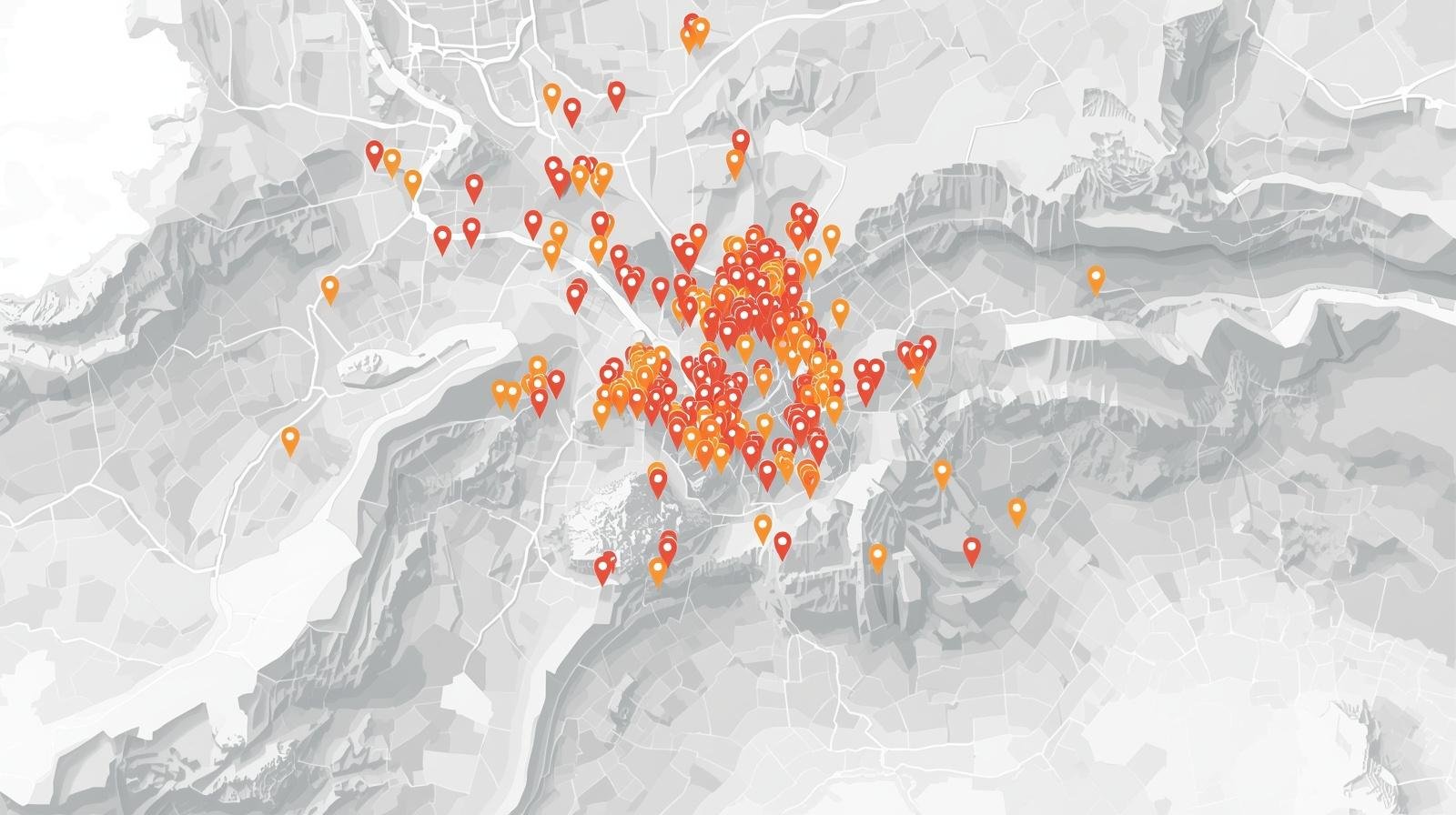
The Association for Research and Social Innovation (ADT) has published the results of a study on natural disaster risks in the Municipality of Kakanj, conducted through a citizen science initiative that actively involved members of the local community in identifying and mapping risk areas. The research shows that Kakanj is exposed to a combination of natural and human-induced threats that increase the vulnerability of local communities and infrastructure.
The analysis highlights that landslides, floods, and extreme weather events represent some of the most significant natural risks in the municipality. Particularly concerning is the fact that more than 180 active landslides have been recorded in the area, many of which are linked to soil degradation, mining activities, and uncontrolled urban development.
Climate change further intensifies these risks. Periods of intense rainfall followed by prolonged drought destabilize soil structures, increase erosion, and heighten the likelihood of flash floods. These processes often affect rural settlements and areas located near mining and industrial zones.
The research involved over 120 citizens, who participated in workshops, focus groups, and digital geo-mapping activities to identify risk locations and document environmental problems they encounter in everyday life. This participatory approach enabled the collection of valuable data that often remains outside official institutional monitoring systems.
ADT emphasizes that integrating citizen science into disaster risk management is essential for developing more effective prevention policies and strengthening the resilience of local communities. The findings represent an important step toward better understanding local risks and designing measures that can reduce vulnerability to natural disasters.